
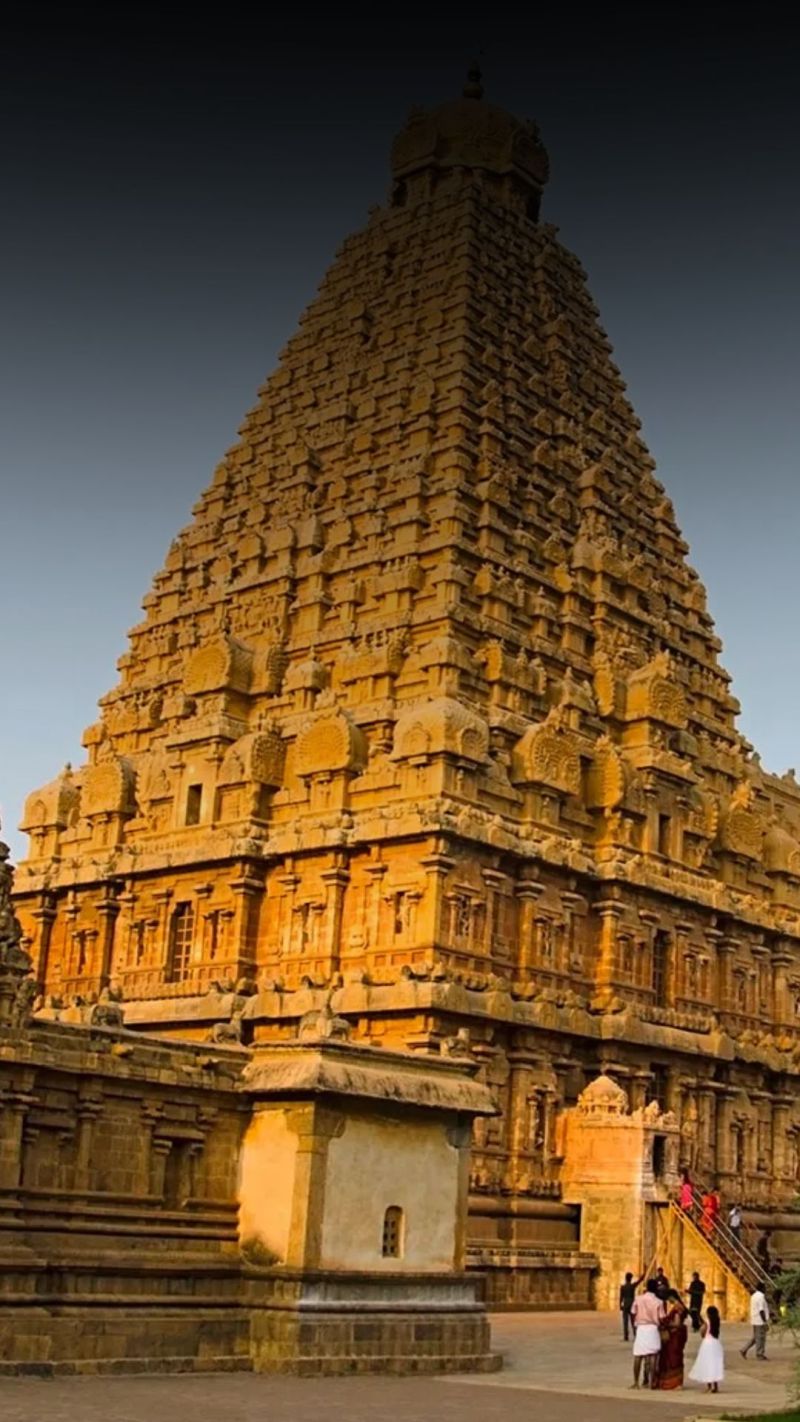
Let us stop calling ancient Indian temples “WONDERS”.
That word feels too soft, too distant. These structures were not just beautiful. They were deliberate, precise, and unapologetically advanced. Every stone placement, every shadow cast, every echo in the sanctum carried intention. Nothing was accidental.
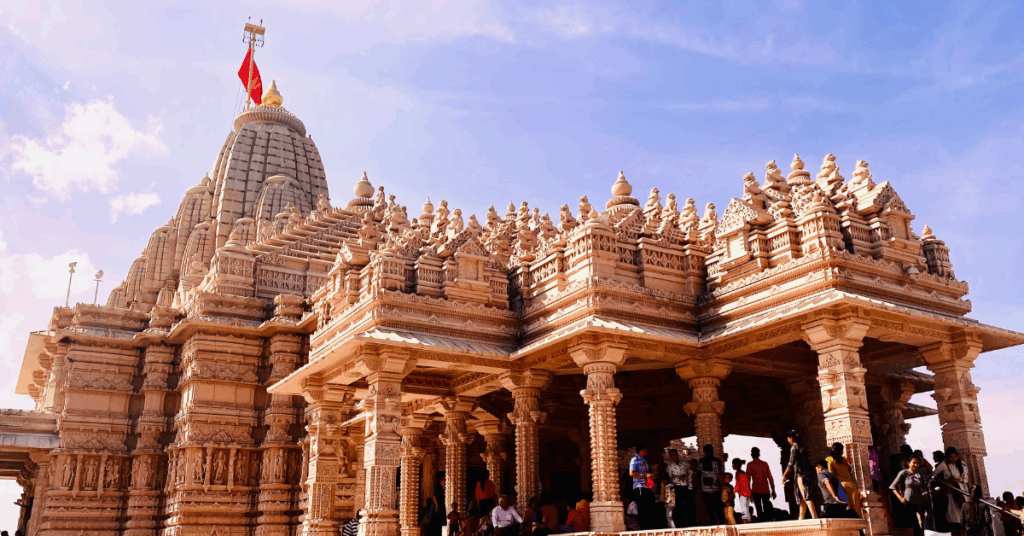
There was no cement. No steel. No digital simulations. Just geometry, astronomy, and a kind of craftsmanship that still leaves modern engineers blinking. These temples were not built to impress. They were built to endure, to align, to resonate.
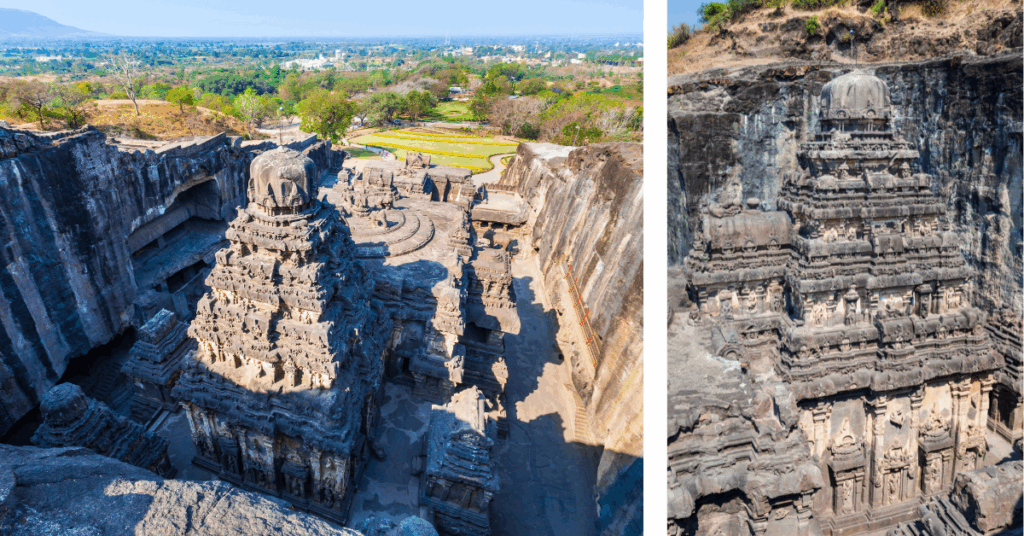
Mortar was not part of the equation. Builders worked with interlocking stone systems so exact they have survived centuries of monsoons, invasions, and earthquakes. Corbelled arches whispered weight across spans. Domes held themselves up. Modular layouts came together like sacred puzzles, each piece carrying its own rhythm, its own logic. The Kailasa temple at Ellora was carved top down from a single rock. One mistake and the entire structure would collapse. They did not make one.
These were not just buildings. They were calendars. Compasses. Ritual clocks. Sunlight would strike the deity’s face on solstice mornings. Temple axes aligned with planetary movements. Shadow choreography marked sacred timings with eerie precision. You do not stumble into that kind of alignment. You design for it.
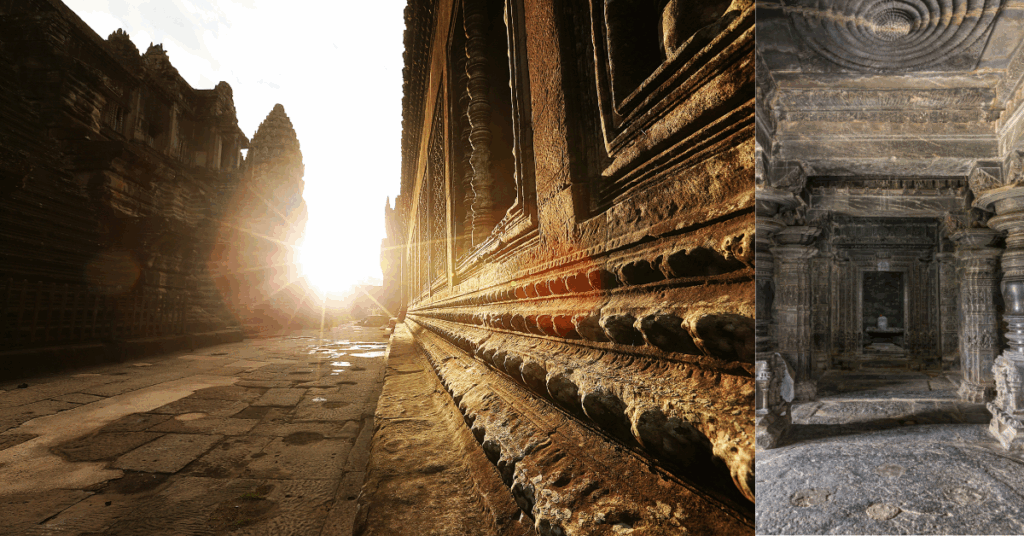
They did not wait for machines. They built their own systems. Ramps stretched for kilometers to lift stones weighing eighty tons. Chisels were tuned for acoustic feedback, stone speaking to hand. Cooling techniques used water flow and shade. Early thermodynamics, temple style.
Every tank, every stepwell, every subterranean channel was engineered with intent. Water regulations happen without pumps. Sanctums stayed cool through underground flow. Rainwater harvesting was embedded into layout centuries before it became policy. These features were not add ons. They were integral.
Some temples were tuned like instruments. Granite pillars sang when struck. Sanctums amplified chants without echo. Carvings shaped sound flow. Ornamentation was not just visual. It was acoustic. The stone responded like a veena.
This is not about heritage tourism. It is about strategic inheritance. In an age of climate urgency and material fatigue, these temples offer more than aesthetic inspiration. They offer blueprints for sustainable design, decentralized construction, and spiritually integrated infrastructure. They did not build for centuries. They built for eternity.


Vivek is an entrepreneur and a technology buff. When not at work he is a voracious reader.