


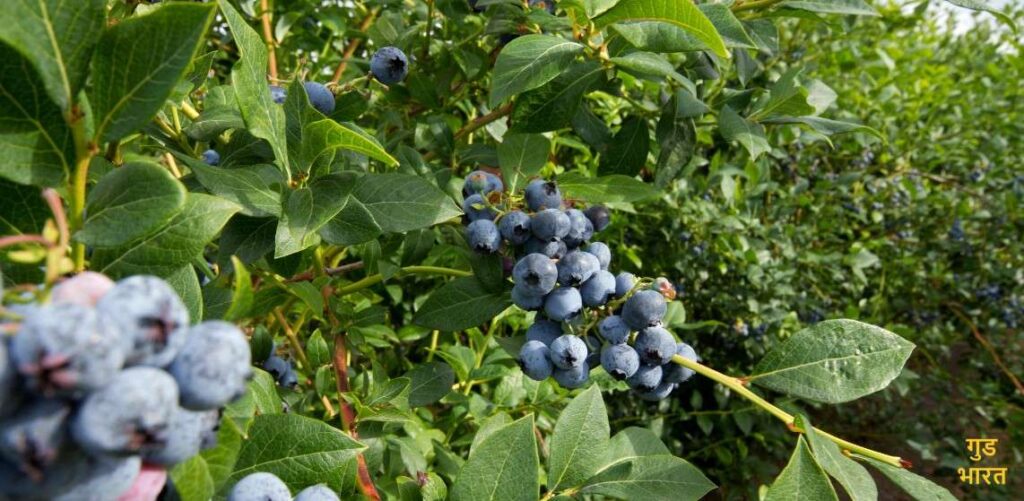
Famous for mangoes, bananas, and guavas, India is now in the news for something rather unexpected i.e. foreign exotic fruits like dragon fruit, kiwi, blueberries, avocado, rambutan, and passion fruit being grown within Indian soil itself. Previously a luxury enjoyed only by the well-to-do, these fruits are now rapidly entering the realm of middle-class families and restaurants across the country. Besides changing the way people eat, it’s creating new opportunities for farmers, entrepreneurs, and the Indian economy. From Imported Luxury to Local Cultivation
Until around a decade ago, these exotic fruits were being brought from countries like Thailand, Vietnam, and New Zealand, so they were specialty and cost prohibitive. Now, farmers in Maharashtra, Gujarat, Kerala, and the Northeast are attempting to cultivate these fruits locally.
Cultivation of Exotic Fruits
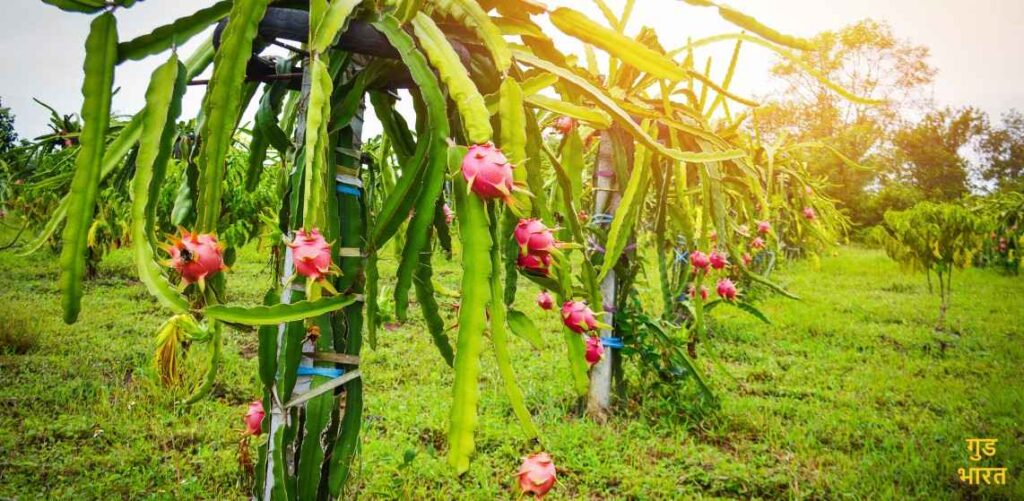
Dragon fruit cultivation has been flourishing in the states of Gujarat, Maharashtra and Karnataka.
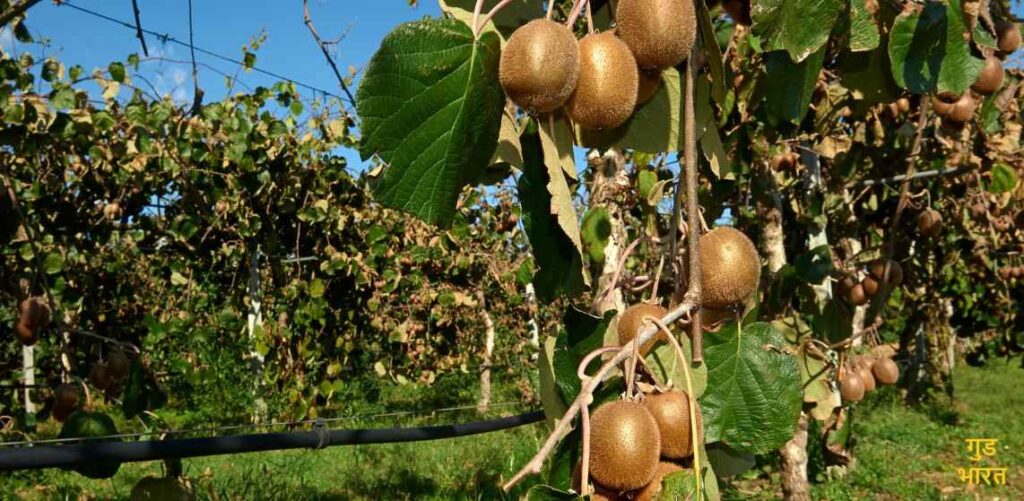
The production of Kiwi has significantly increased in Arunachal Pradesh and Nagaland.
Avocados are also being grown in Karnataka, Tamil Nadu, and Kerala.
The National Horticulture Board (https://nhb.gov.in/) has made proactive efforts to promote farmers in terms of subsidies and training for the cultivation of exotic fruits.

How Exotic Fruits Are Supporting the Indian Economy
Reduced Imports: By growing fruits locally, India reduces its dependence on imports, which saves foreign exchange.
Increased Income for Farmers: Exotic fruits are priced higher than normal fruits, so farmers earn more.
Job Generation: From cultivation, cold storage, packaging to logistics—scores of job opportunities are created in rural and urban areas.
Export Prospects: With more domestic production, India can target exporting exotic fruits to the Middle East and Europe.
According to the Agricultural and Processed Food Products Export Development Authority (APEDA) (https://apeda.gov.in/), horticultural exports, including exotic fruits, are steadily rising and adding to India’s agri-export basket.
Opportunities in the Exotic Fruit Industry
Agri-Entrepreneurship – New entrepreneurs and farmers can start businesses on exotic fruit growing, processing, and value chains.
Agro-Tourism – Exotic fruit farms receive tourists, earning side revenues.
Food and Beverage Industry Expansion – Various restaurants, hotels and juice bars have shown a growth in terms of new generation menus including avocado toasts, macha drinks etc.
Export Growth – With proper quality cetifications , India has a potential to become a hub for exporting exotic fruits.
Challenges and Threats
Even with a boom in exotic fruits, there are hindrances:
Heavy Upfront Capital: To set up farms for exotic fruits requires advanced techniques and is capital-intensive.
Climate Sensitivity: Exotic fruits have particular soil and climate demands, making it risky to cultivate them.
Import Competition: Imported fruits still have the upper hand in city markets due to established supply chains.
Sustainability Issues: Over-reliance on exotic fruits may influence biodiversity and traditional farming methods.
The Indian Council of Agricultural Research (ICAR) (https://icar.org.in/) continues to study means of improving cultivation methods to minimize the risks.
With an increasing health awareness due to severe heart attack cases and demand for super foods , The market for exotic fruits in India will grow at a speeding rate.Driven mainly by government support, private investment, and farmer interest, the production of exotic fruits can become one of the biggest drivers for India’s farm GDP in the next couple of years.
Exotic fruits are no longer just symbols of indulgence in India as their time has come to be a part of the mainstream diet, farmer incomes, and even Indian export policy. With a judicious combination of opportunities and able management of challenges, the exotic fruit economy can prove to be one of India’s growth drivers, demonstrating how global tastes can fuel local prosperity.