
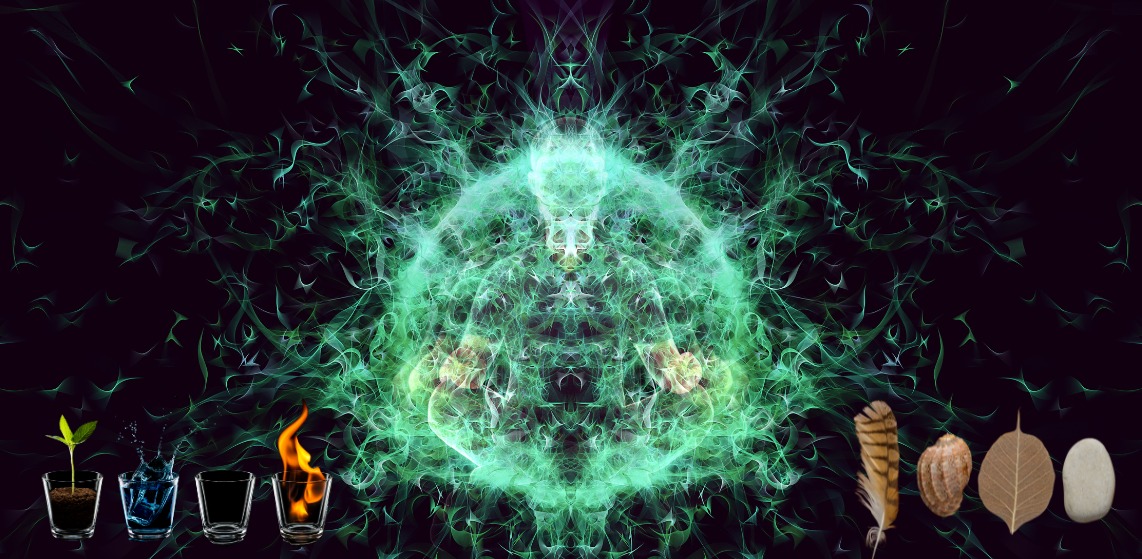
Neurospirituality is not a trend. It is a reckoning. In India, where the sacred has always lived in the soil, the breath, the syllables of ancient verse, something is stirring. The rituals are still here, mantras echoing through temple corridors, breathwork guiding the restless toward stillness but now they are being tracked, measured, mapped. The MRI machine hums beside the meditation mat. Neuroscience is not just peeking into the soul. It is trying to chart it.
This is not about validation. It is about confrontation. The yogic traditions never asked for proof. They offered experience. But now, the language of synapses and serotonin is being used to describe what sages once called bliss. Mantras light up the hippocampus.
Devotion floods the brain with dopamine. Controlled breathing shifts neural rhythms into states that resemble lucid dreaming. These are not metaphors. They are metrics. But they are also provocations. What happens when the sacred becomes legible to science?
India is not standing by on the sidelines. It is shaping the conversation. At NIMHANS, researchers are investigating how yogic practices aid trauma survivors in reclaiming their bodies. At IIT Delhi, physicists and philosophers sit across from each other, arguing about whether awareness can be quantified.
Even corporate wellness programs are beginning to speak in the language of spiritual literacy, not just stress reduction. The shift is subtle but unmistakable. The sacred is no longer confined to temples. It is entering boardrooms, classrooms, and laboratories.
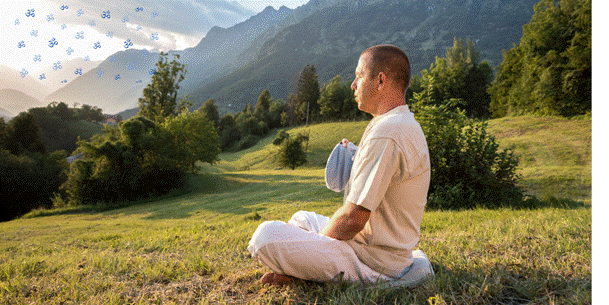
Still, something feels off. When transcendence becomes a serotonin spike, something slips through the cracks. The soul cannot be reduced to circuitry. And yet, ignoring the science would be equally naive. The challenge is not to choose between the two. It is to hold them in tension. To let the data illuminate the mystery without flattening it.
This is not inner engineering. It is an excavation. We are not building something new. We are uncovering what was buried beneath centuries of abstraction and modernity. Neurospirituality, when approached with reverence, does not dilute the spiritual experience. It deepens it. It gives us language for awe. Not to explain it away, but to understand its contours.
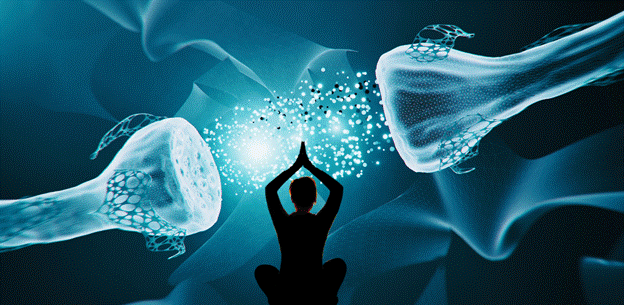
India stands at a threshold. It can choose to package its wisdom for global consumption, turning ancient practices into marketable modules. Or it can lead a deeper conversation, one that refuses to separate the neuron from the namaste. That choice will shape not just the future of wellness, but the future of how we understand being itself. And if we get it right, it will not be a revolution. It will be a return.
Vivek is an entrepreneur and a technology buff. When not at work he is a voracious reader.